
Introduction to Falls in Seniors
Falls among seniors represent a growing concern worldwide, as they are one of the leading causes of injury-related morbidity and mortality in older adults. Statistics reveal that approximately one in four seniors experiences a fall each year, with many resulting in severe injuries, such as fractures or head trauma. Understanding the common causes of falls is vital for seniors, caregivers, and family members alike, as it can significantly influence the management and prevention of fall-related incidents.
The causes of falls in older adults are multifaceted, often stemming from a combination of physical, environmental, and psychological factors. Physical factors include muscle weakness, impaired balance, and various health conditions such as arthritis, which can limit mobility. Environmental hazards, such as uneven surfaces, poor lighting, and cluttered living spaces, also pose significant risks. Furthermore, cognitive decline can affect a senior’s awareness of their surroundings, increasing the likelihood of falls.
Beyond the immediate physical risks, falls can have profound effects on seniors’ mental health and overall well-being. After experiencing a fall, many older adults may develop a fear of falling again, leading to reduced confidence in their ability to move about safely. This can result in decreased physical activity, further compromising their strength and balance and creating a vicious cycle that exacerbates the risk of future falls. Therefore, understanding the factors contributing to falls is crucial in promoting not only physical safety but also the mental and emotional health of seniors, allowing them to maintain their independence and quality of life.
Main Causes of Falls in Seniors
Falls among seniors can often be linked to a combination of various factors. Understanding these causes is critical for prevention. One of the principal causes is poor balance, which can result from a lack of physical activity or existing health conditions. As individuals age, the body undergoes changes that may affect coordination and stability, making seniors more susceptible to falls.
Muscle weakness is another significant contributor. As people grow older, muscle mass and strength can decline, impacting one’s ability to maintain posture and balance when walking or standing. Regular exercise can help mitigate this issue, but many seniors may not engage in sufficient physical activity.
Changes in vision also play a crucial role. Common conditions such as cataracts, glaucoma, or macular degeneration may impair a senior’s ability to judge distances or see clearly, increasing the risk of tripping and falling. Regular eye check-ups and appropriate corrective measures can help address these challenges.
Medication side effects often contribute to falls as well. Certain medications can cause dizziness, lightheadedness, or drowsiness, all of which elevate the risk of falling. It is essential for seniors to review their medications with healthcare providers to understand potential side effects and adjust prescriptions accordingly.
Further, unsafe footwear can lead to instability. Shoes that lack proper support or have slippery soles can make walking hazardous. Choosing appropriate footwear is vital for maintaining balance and preventing falls.
Environmental factors such as slippery floors, clutter, loose rugs, and poor lighting can also dramatically increase the likelihood of falls. Ensuring that living spaces are safe and well-lit can significantly reduce these hazards. Addressing and modifying such areas can create a safer environment for seniors.
Health-Related Factors and Their Impact
As individuals age, various health-related factors can significantly influence their risk of falling. Understanding these factors is crucial for implementing preventative measures and enhancing the safety of seniors. One of the most common conditions affecting older adults is arthritis. This joint disorder can lead to stiffness, pain, and reduced range of motion, all of which can adversely affect mobility. With decreased physical activity due to arthritis-related discomfort, seniors may struggle to maintain their balance, heightening the possibility of falls.
Neurological disorders are another substantial contributor to fall risk among seniors. Conditions such as Parkinson’s disease and multiple sclerosis can impair coordination, muscle strength, and overall stability, making it challenging to maintain an upright posture during everyday activities. Symptoms associated with these disorders often include tremors and muscle rigidity, which can greatly compromise a senior’s ability to move confidently and safely.
Cardiovascular issues also play a pivotal role in fall-related incidents among older adults. A common condition, orthostatic hypotension, causes a sudden drop in blood pressure when a person stands up too quickly, leading to dizziness and fainting. Seniors with heart conditions or arrhythmias might experience similar symptoms, further increasing their susceptibility to falls. Regular monitoring of heart health and appropriate management of these conditions are critical for maintaining seniors’ balance and mobility.
All these health challenges directly correlate with falls in seniors, underlining the importance of addressing such issues. By understanding these health-related factors, caregivers and healthcare professionals can develop tailored strategies aimed at mitigating fall risk and promoting greater safety for older adults. In conclusion, recognizing and addressing these health conditions is fundamental for enhancing balance and mobility among seniors, ultimately reducing the risk of falls.
Practical Tips for Reducing Fall Risks
Falls among seniors can lead to severe injuries and often result in decreased mobility and independence. Therefore, it is essential for both seniors and caregivers to take proactive steps to minimize these risks. By implementing several practical strategies at home and outdoors, the likelihood of falls can be significantly reduced.
One effective method for improving safety within the home is by eliminating clutter. It is vital to keep walkways clear and free from obstacles, such as loose rugs or electrical cords, which can pose tripping hazards. Regularly reassessing the home environment to identify and remove these risks can greatly enhance safety.
Another important aspect is ensuring adequate lighting throughout the living space. Seniors may have diminished vision, which makes proper lighting crucial. Installing brighter bulbs and adding nightlights in hallways and staircases can help prevent falls by illuminating the environment, especially during nighttime navigation.
In the bathroom, the use of non-slip mats is highly recommended. These mats can provide stability and prevent slipping on wet surfaces. Additionally, installing grab bars near toilets and in the shower can offer additional support and security while navigating these potentially hazardous areas.
Footwear plays a significant role in fall prevention as well. Seniors should opt for shoes that provide good grip and support rather than slippers or sandals that can easily slip off. Selecting the correct footwear can reduce the risk of falls significantly.
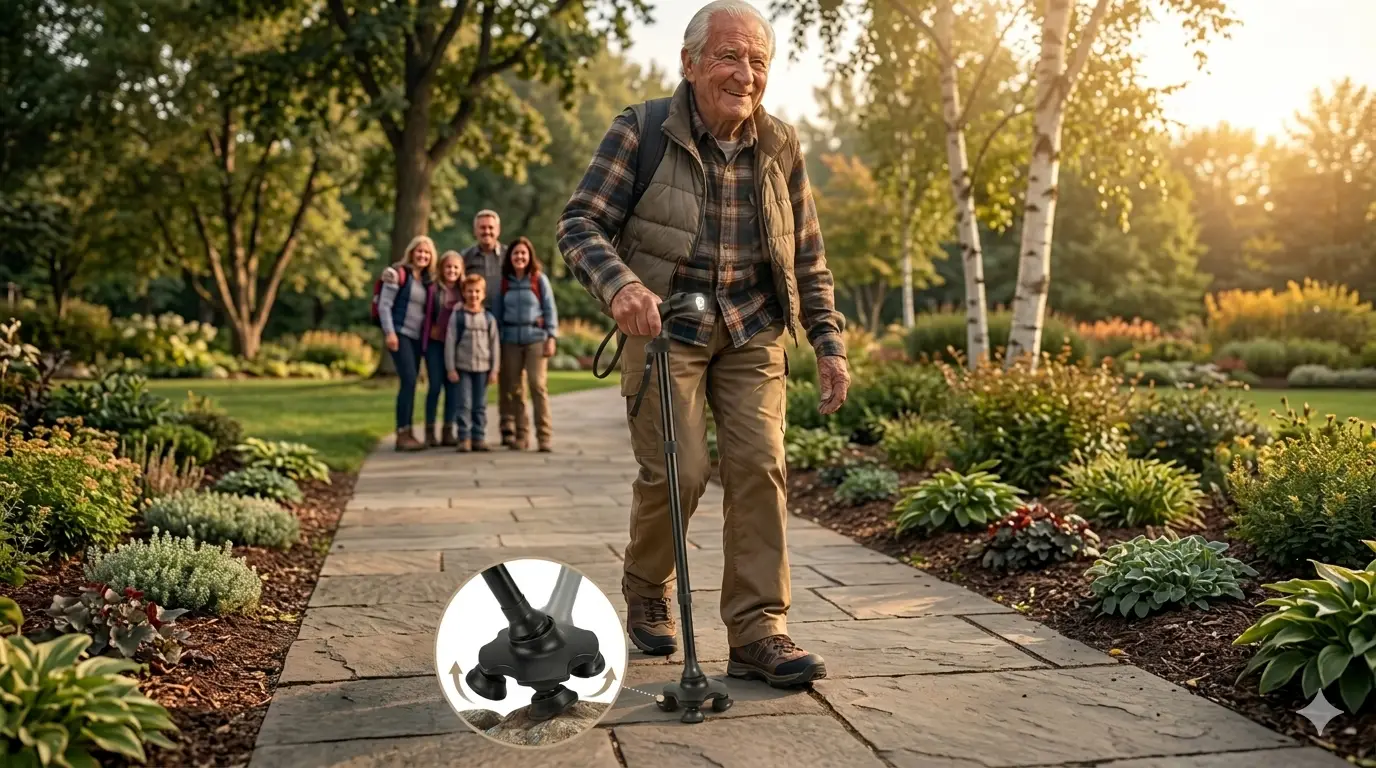
Outdoor safety is equally important. When going outside, seniors should be mindful of weather conditions, particularly on wet or icy days. Walking on uneven surfaces should be approached with caution, and the use of walking aids, such as canes, may also provide additional support.
By taking these actionable steps, seniors and their caregivers can create a safer living environment, promoting independence and enhancing overall well-being. Identifying potential hazards and making necessary adjustments is the key to reducing fall risks effectively.
A safe home can make a meaningful difference in an older adult’s comfort, confidence, and independence. Simple hazards such as clutter, poor lighting, loose rugs, and slippery surfaces can increase the risk of falls and injuries. Our article “Essential Home Safety Checklist for Older Adults” provides a practical room-by-room checklist to help families and caregivers identify potential hazards and make everyday living safer and more comfortable.