
Understanding Home Safety for Seniors
Home safety is paramount for older adults, as they are often more vulnerable to accidents due to factors such as decreased mobility, visual impairments, and a higher likelihood of chronic health conditions. Understanding the common hazards that could lead to these accidents is crucial to fostering a safe living environment. Statistics indicate that falls are one of the leading causes of injury among seniors, making it essential to address slip and trip hazards within the home.
Common hazards include uneven flooring, loose rugs, and insufficient lighting. Each of these factors can significantly impair an older adult’s ability to navigate their home safely. For instance, poor lighting can make it difficult to see obstacles, while slippery surfaces can contribute to falls. Additionally, the presence of clutter can obstruct key pathways, further increasing the risk of accidents.
Moreover, the bathroom poses specific hazards, including wet floors and high-sided bathtubs that can be challenging for seniors to access safely. It is also essential to consider the kitchen, where improper usage of appliances or unsteady countertops can lead to injuries. Fire safety is another critical area, as older adults may have slower reaction times in emergency situations.
To combat these hazards and enhance the overall safety of living spaces for older adults, a comprehensive safety checklist tailored to their needs is necessary. This checklist should include recommendations for fall prevention, fire safety measures, and ways to ensure that essential daily tasks can be performed safely and independently. As the safety of seniors directly impacts their independence and wellbeing, proactive measures must be taken to minimize risks and empower them to live confidently in their own homes.
Key Areas to Focus on for Home Safety
Ensuring the safety of older adults in their homes requires careful attention to specific areas where hazards are most prevalent. Each room and area presents unique risks that can impact the well-being of seniors, necessitating proactive safety measures.
Bedroom: The bedroom is a personal sanctuary for older adults, but it can also present risks such as tripping over clutter or falling out of bed. It is essential to keep the pathways clear of objects and to use non-slip rugs. Additionally, bed height should be appropriate to allow for easy access, preventing falls while entering or exiting the bed.
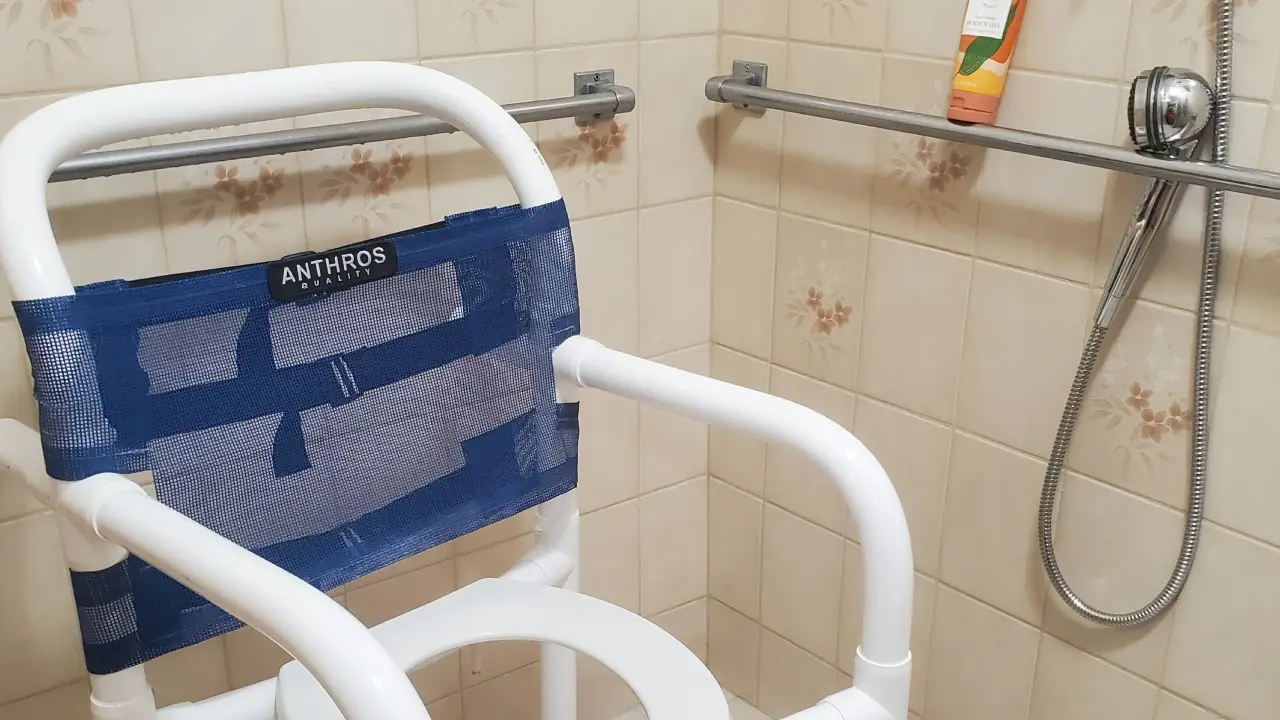
Bathroom: The bathroom poses significant safety challenges due to wet surfaces. Installing grab bars near the toilet and in the shower can provide necessary support while reducing the risk of slips. A non-slip mat inside the shower or bathtub and shower chairs can further enhance safety.
Kitchen: The kitchen is another critical area where potential hazards arise from hot surfaces and sharp objects. Ensuring that items are easy to reach, while implementing safety features such as stove guards, can help to minimize accidents. It is also important to have a fire extinguisher readily accessible.
Living Room: In the living room, clutter can be a tripping hazard, and furniture arrangements should create clear pathways. Lighting plays a vital role in this space; using soft white bulbs and ensuring that light switches are easily accessible is vital for minimizing falls.
Hallways: Hallways should be well-lit and free from obstacles. Installing motion sensor lights can assist in providing illumination during nighttime, reducing the chances of accidents during bathrooms visits or mid-night strolls.
Stairs: Stairs can be particularly dangerous for older adults. Well-constructed handrails on both sides of the staircase, along with non-slip treads, can help prevent falls. Regular checks to ensure that the steps are in good repair are also essential.
Outdoor Entrances: Outdoor areas must be maintained to avoid hazards from uneven surfaces or poor lighting. Pathways should be clear of debris, and appropriate lighting should illuminate entrances to create a safe transition from outside to inside.
These key areas illustrate the need for vigilance in home safety for older adults. By addressing these focus points, caregivers and family members can greatly enhance the living environment, reducing the risk of accidents and fostering independence for seniors.
Actionable Safety Improvements
Improving home safety for older adults is essential to reduce fall risks and enhance overall well-being. One of the most significant changes that can be made involves addressing loose rugs, which are common trip hazards. It is advisable to either remove these rugs altogether or secure them with double-sided tape or non-slip backing. This simple adjustment can provide a stable walking surface, greatly minimizing the chances of falling.
Another crucial aspect of home safety is ensuring adequate lighting throughout the living space. Install bright, energy-efficient bulbs and consider adding motion-activated lights in high-traffic areas, such as hallways and staircases. Shadows and dimly lit areas can pose a significant risk, thus a well-lit home can help prevent accidents and promote confidence in mobility.
Furthermore, managing clutter in the home is vital for a safe environment. Encourage family members to declutter frequently used areas, keeping pathways clear and ensuring that items are stored in designated places. This will not only improve safety but also foster a more organized and comfortable living space, making it easier for seniors to navigate their homes.
In addition, organizing frequently used items within easy reach is a practical suggestion for enhancing safety. Utilize drawer organizers, baskets, and shelves that allow seniors to access necessary items without the need for bending down or climbing to high places. This not only minimizes the risk of accidents but also promotes a sense of independence.
Lastly, consider adding grab bars in bathrooms and other necessary areas, providing support and assistance when needed. These simple yet effective measures collectively contribute to a safer home environment for older adults, fostering both mobility and comfort.
Encouragement and Ongoing Safety Practices
Maintaining a safe environment in the home is crucial for older adults, as it supports their independence and contributes positively to their overall quality of life. It is essential to view home safety not as a one-time effort, but rather as an ongoing practice that requires regular assessments and adaptations. Encouraging older adults to be actively involved in the evaluation of their living spaces can empower them and foster a sense of responsibility towards their safety and well-being.
Small modifications can lead to substantial improvements in safety. Simple interventions, such as installing grab bars in the bathroom, ensuring proper lighting throughout the home, or removing tripping hazards, can significantly reduce the risk of falls and other accidents. It is important to recognize that these changes need not be expensive or extensive; even simple actions, like rearranging furniture or decluttering pathways, can make a difference.
Community resources often provide valuable support and guidance in enhancing home safety for seniors. Engaging with local agencies or organizations that focus on senior health can yield important information regarding safety assessments, and necessary modifications. Additionally, family members play a key role in assisting their loved ones to identify potential hazards and implement solutions to mitigate these risks.
Staying informed about current trends and practices in home safety is vital. Technologies, such as alert systems and smart home devices, can further enhance safety measures for older adults. By incorporating these solutions, seniors can maintain a sense of security, knowing help is accessible when necessary.
In conclusion, continuous home safety assessments and adaptations are indispensable for ensuring the well-being of older adults. Small changes can lead to significant improvements in a senior’s quality of life, independence, and overall safety at home. With proactive engagement, families and seniors can work together to create a secure living environment that fosters dignity and a thriving lifestyle.
Dignity is something every person deserves, regardless of age or ability. As we grow older, being treated with kindness, respect, and understanding can make a meaningful difference in confidence and quality of life. Our article “Dignity Matters at Every Age” explores simple ways families and caregivers can honor an older adult’s choices, independence, and individuality while providing the care and support they need.