
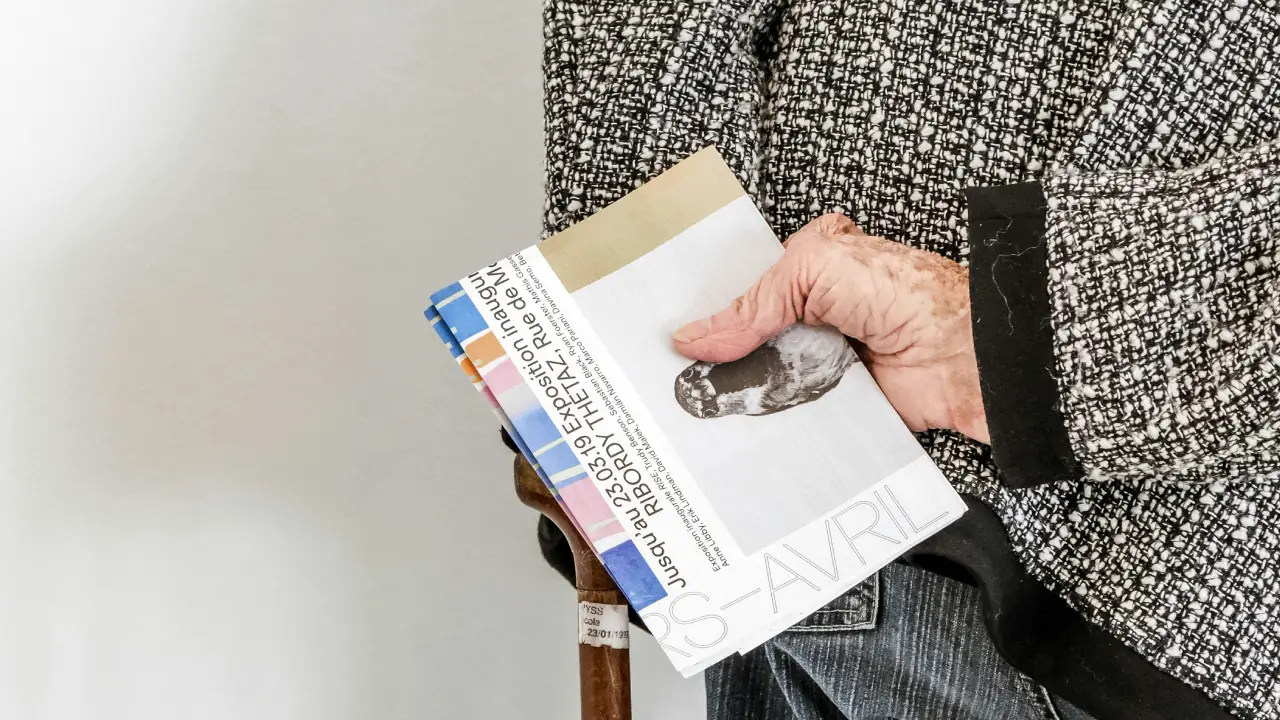
Recognizing Signs of Mobility Struggles
As elderly individuals age, it is common for them to experience various mobility challenges. Recognizing the signs that an elderly parent may need additional mobility support is crucial for their well-being and independence. One notable indicator is difficulty in standing up from a sitting position. If you observe that your parent struggles to rise from a chair or requires assistance to do so, it may signal diminished strength or balance.
Another important sign to watch for is decreased walking speed. An elderly person may begin to walk more slowly than before, which could be due to pain, weakness, or instability. Additionally, balance issues frequently manifest as the individual swaying while standing or walking, relying on walls or furniture for support. This dependence may indicate a lack of strength or worsening coordination.
Frequent stumbling or falling can be alarming signs that mobility is declining. If your parent falls often, even without injury, it is essential to assess their living conditions and physical capabilities. Furthermore, you may notice them hesitating or refusing to engage in activities they previously enjoyed due to a fear of falling. This psychological fear can significantly impact their mobility and overall quality of life.
It is also critical to pay attention to changes in their physical environment. If your parent is moving furniture to create safer pathways or using aids such as walkers or canes, these adjustments may indicate their struggle with mobility.
By identifying these signs early, caregivers and adult children can take proactive measures to address mobility issues, ensuring the elderly remain safe and supported in their daily lives.
The Importance of Early Intervention
Recognizing mobility issues in elderly parents is a crucial first step toward ensuring their safety and well-being. Early intervention plays a significant role in addressing these challenges effectively. When mobility difficulties are identified promptly, there are numerous benefits that can enhance the overall quality of life for seniors.
Addressing mobility challenges without delay allows for the preservation of independence, which is vital for the emotional and physical health of older adults. Independence fosters a sense of control and autonomy, which can greatly affect one’s mental state. By providing support when mobility issues arise, families can empower their elderly loved ones to maintain their everyday routines and lifestyle choices.
Additionally, early mobility support may prevent more severe complications, such as falls or the exacerbation of existing health conditions. According to studies, seniors who experience mobility limitations are at a significantly higher risk of injuring themselves through falls. Timely interventions can include physical therapy, home modifications, or mobility aids that reduce these risks effectively. The sooner mobility problems are addressed, the greater the likelihood of avoiding debilitating injuries that could lead to loss of autonomy.
Psychological benefits are also noteworthy when it comes to early support for mobility issues. Timely interventions can instill confidence in seniors, encouraging them to partake in social activities and engage with their communities. Moreover, when they receive assistance quickly, it helps alleviate anxiety associated with falling or losing their independence. Understanding that support is available can lead to a more optimistic outlook on life, allowing seniors to thrive despite their mobility challenges.
In conclusion, recognizing and addressing mobility challenges in elderly parents at the earliest opportunity is essential. Early intervention is not only a proactive approach to maintaining independence but also a pathway to enhancing the overall quality of life for seniors.
Mobility Aids and Home Safety Improvements
Ensuring the safety and independence of elderly individuals facing mobility challenges is paramount. Various mobility aids are specifically designed to assist seniors, fostering better mobility and reducing the likelihood of falls. Walkers, canes, and stairlifts are some of the most commonly used devices that provide the necessary support for seniors while navigating their surroundings.
Walkers offer stability, particularly for seniors who might struggle with balance. By providing four points of contact with the ground, they significantly enhance stability when walking. Similarly, canes can be an effective mobility aid for those who require minimal assistance, helping to redistribute weight and improve balance. Stairlifts, on the other hand, are essential in homes with multi-levels; they facilitate safe passage between floors and eliminate the risks associated with stairs, a common danger for seniors.
Alongside mobility aids, home modifications can further bolster safety and independence. Installing grab bars in strategic locations, such as bathrooms and along hallways, can provide seniors with the support they need while performing everyday activities like bathing or transitioning from a seated to standing position. Furthermore, improving lighting in critical areas can reduce the chance of accidents, as visibility is often compromised in poorly lit spaces.
Reducing tripping hazards is another crucial aspect of creating a safe environment. Keeping floors clear of clutter, securing loose rugs, and ensuring that electrical cords are out of walkways can significantly decrease the chances of falls. The selection of appropriate mobility aids and home improvements should be tailored to the specific needs and physical capabilities of the elderly individual, ensuring that they can maintain their independence while feeling secure in their surroundings.
Initiating Supportive Conversations
Engaging in conversations about mobility needs with elderly parents can be challenging yet vital for their well-being. It is essential to approach these discussions with sensitivity and respect. Begin by identifying an appropriate time and environment—one that is quiet and free from distractions. This setting will help foster open dialogue and encourage your loved one to voice their thoughts and concerns.
Start the conversation by expressing your observations and feelings rather than making assumptions. For example, you might say, “I’ve noticed that you seem to struggle more with walking lately. I’m concerned about your safety, and I wanted to talk about how you’re feeling.” This phrasing helps the elderly parent feel heard and validates their experiences, reducing the likelihood of defensiveness.
Active listening is crucial in these discussions. Once you have expressed your concerns, allow your loved one to share their perspectives. Listen attentively without interrupting, as this demonstrates that you value their feelings and opinions. Acknowledge their emotions and validate their experiences by responding with phrases like, “I understand that this is difficult for you,” or “Your feelings are completely valid.” This creates a safe space where they can express their needs and anxieties regarding mobility challenges.
Encourage your parent to discuss their needs by asking open-ended questions, such as, “What do you think would make moving around easier for you?” This approach empowers them to contribute to the conversation. When discussing possible mobility aids or assistance, frame it positively by highlighting the benefits, such as enhanced safety and independence. Offer reassurance that seeking support does not diminish their autonomy but can enhance it. With respectful dialogue and active listening, you can help your elderly parent feel dignified and empowered to address their mobility support needs.
The bathroom is one of the most common places for slips and falls, especially for older adults. Fortunately, a few simple changes can make a significant difference in safety, comfort, and confidence. If you haven’t read it yet, our article “10 Simple Ways to Improve Safety in the Bathroom” shares practical tips to help create a safer environment while supporting independence and peace of mind at home.