
Understanding the Impact of Falls on Seniors’ Confidence
Falls among seniors represent a significant risk, not just physically but also emotionally and psychologically. When an elderly individual experiences a fall, it can lead to profound changes in confidence and self-assurance. The immediate impact often includes a heightened sense of fear regarding further falls, which can hamper their willingness to engage in regular activities. This fear can evolve into a debilitating anxiety, causing seniors to avoid situations where they perceive a risk, thus diminishing their independence.
The psychological ramifications of a fall can trigger a concerning cycle of increased caution and reduced mobility. Seniors may begin to limit their activities, steering clear of social interactions or even routine errands, fearing that these engagements may lead to another fall. This avoidance can further exacerbate feelings of isolation, as they withdraw not only from physical activities but also from their social networks. Consequently, this isolation can lead to depression and a decline in overall mental health.
Caregivers and family members play a pivotal role in recognizing these emotional changes. Acknowledging the impact of falls on a senior’s confidence is crucial. It is essential for caregivers to engage in open conversations with seniors, addressing their fears and validating their feelings. This acknowledgment is a vital step in the recovery process, as it allows seniors to express their concerns and begin to rebuild their confidence gradually. Developing strategies to mitigate the risk of future falls can also empower seniors, instilling a sense of control over their environment and well-being.
In summary, understanding the complex emotional impact of falls on seniors can facilitate healthier recovery mechanisms. By fostering a supportive environment and encouraging gradual participation in daily activities, both seniors and caregivers can work together to restore confidence and promote an enhanced quality of life.
The Importance of Gradual Recovery for Seniors After a Fall
Recovering from a fall is an essential process, especially for seniors who may be more susceptible to physical and psychological impact after such events. A gradual recovery approach is significant, as it not only helps in physical healing but also plays a critical role in restoring confidence. Often, after experiencing a fall, seniors can become hesitant or fearful about moving independently, which may impede their overall recovery. Therefore, focusing on a structured recovery plan that emphasizes gradual progress is vital.
Step-by-step methods for recovery can facilitate a smoother transition back to normal activities. Setting achievable goals is the foundation of this process; these goals should be small, incremental, and tailored to the individual’s ability. For instance, starting with simple movements or light exercises can help seniors regain their strength without overwhelming them. Engaging in physical therapy under professional guidance can also promote confidence-building by ensuring that exercises are performed correctly and safely.
In addition, the psychological benefits of taking recovery slowly cannot be understated. Seniors are often anxious about future falls, which can lead to a more sedentary lifestyle and increased risks of isolation. By slowly advancing their activity levels, they can rebuild their self-efficacy and comfort in movement, thereby reducing fear. Moreover, incorporating social elements into their recovery, such as family or friends encouraging them during light exercises, can enhance their motivation and foster a positive environment.
The emphasis on gradual recovery not only aids physical well-being but also reinforces a positive mindset, significantly contributing to overall confidence restoration after a fall. By prioritizing safety and comfort in their recovery journey, seniors can achieve lasting benefits that improve their quality of life.
Practical Tips for Enhancing Fall Recovery for Seniors
Supporting seniors in recovering their confidence and mobility after a fall involves practical and thoughtful approaches. First and foremost, creating a safer home environment is essential. Ensure that common areas are free from clutter, rugs are secured, and lighting is adequate to prevent future accidents. Installing grab bars in bathrooms and selecting furniture that offers good support can significantly enhance the safety of their living space.
Encouraging gentle physical activity is another effective way to facilitate recovery. While it may be tempting to restrict movement following a fall, gentle exercises, such as stretching or balance training, can restore strength and improve coordination. Programs tailored specifically for seniors, such as chair yoga or tai chi, can foster mobility while also promoting a sense of confidence.
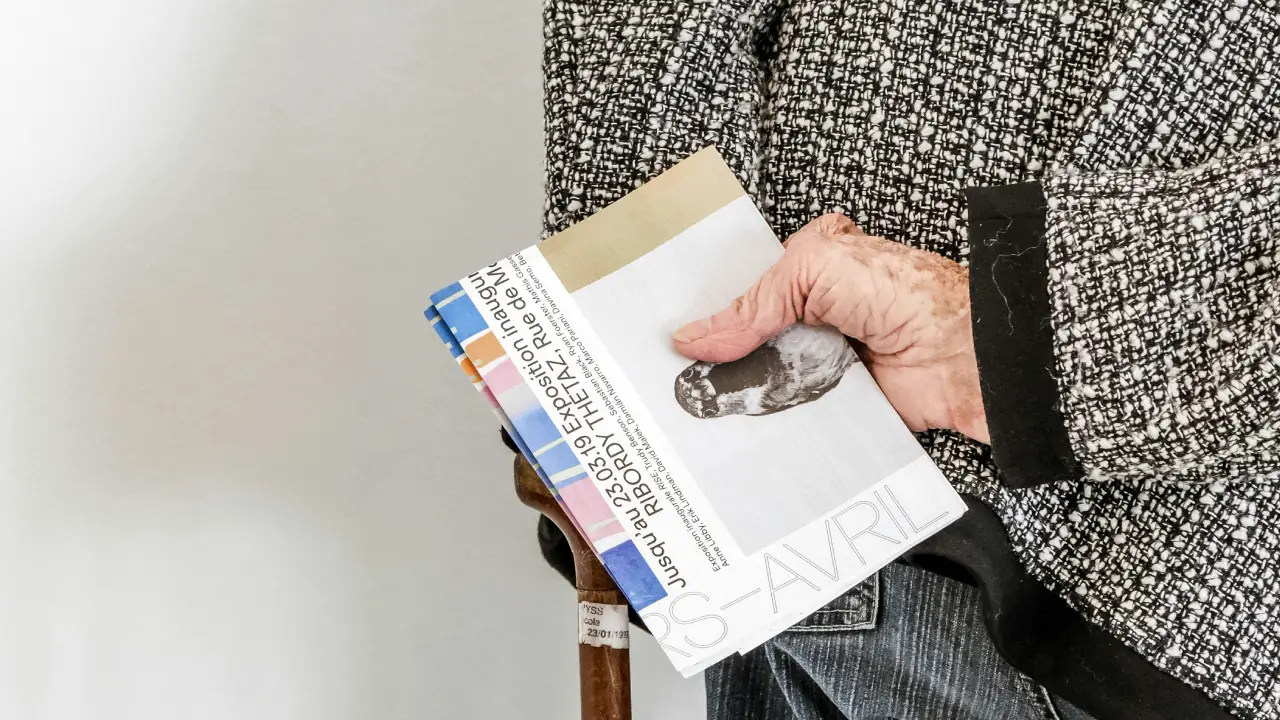
Mobility aids, when necessary, should be used to empower rather than inhibit seniors. Devices such as walkers, canes, or even non-slip shoes can provide the necessary support, enabling them to navigate their environment safely. Caregivers should guide seniors in choosing the right equipment while encouraging them to use it independently. Providing reassurance and positive reinforcement when a senior uses mobility aids can bolster their confidence significantly.
It is also beneficial for caregivers to communicate openly about the recovery process. Empowering seniors to share their feelings regarding their fall and discussing their fears can help address concerns. Caregivers should remind them that recovery is a gradual process, and celebrating small milestones can positively influence a senior’s mindset. Furthermore, maintaining an encouraging attitude, fostering a sense of independence, and involving seniors in their recovery plan will create a supportive atmosphere conducive to regaining confidence. By prioritizing safety while encouraging autonomy, seniors can move forward in their recovery journey more effectively.
Celebrating Milestones and Offering Emotional Support
Recovering confidence after a fall is an essential part of a senior’s journey back to independence. Emotional support plays a crucial role in this process, allowing seniors to regain their self-esteem and motivation. Acknowledging and celebrating even the smallest milestones can significantly reinforce a senior’s spirit. Whether it is taking a few steps without assistance or completing a daily task they feared, recognizing these achievements fosters a sense of accomplishment.
Family members and caregivers should consistently highlight these milestones. Simple gestures such as verbal praise or small celebratory activities can go a long way towards demonstrating support. For instance, if a senior successfully walks across a room, a caregiver might say, “You did a fantastic job getting to your chair today! Let’s celebrate this with your favorite snack.” This approach instills pride in their progress while boosting their confidence.
Effective communication is another cornerstone of providing emotional support during this recovery phase. Caregivers should be attentive and listen to the feelings and concerns of the senior, allowing them to voice their experiences related to the fall. By providing emotional reassurance, caregivers can help dispel fears associated with future falls. In these conversations, it is vital to balance support with the senior’s desire for independence. Encouraging them to make decisions, such as choosing when to use a mobility aid, facilitates a sense of control over their recovery.
Ultimately, rejuvenating a senior’s confidence after a fall involves a blend of celebration and emotional support. With understanding and encouragement, seniors can find comfort in knowing that their gradual return to daily life is achievable and that they possess the resilience necessary for this journey.
Maintaining independence at home is about more than completing daily tasks—it’s about preserving confidence, dignity, and quality of life. Small changes, healthy habits, and a safe living environment can help seniors continue enjoying the comfort of their own homes. If you haven’t read it yet, our article “Tips for Maintaining Independence at Home” shares practical strategies to support safe, confident, and independent living every day.