
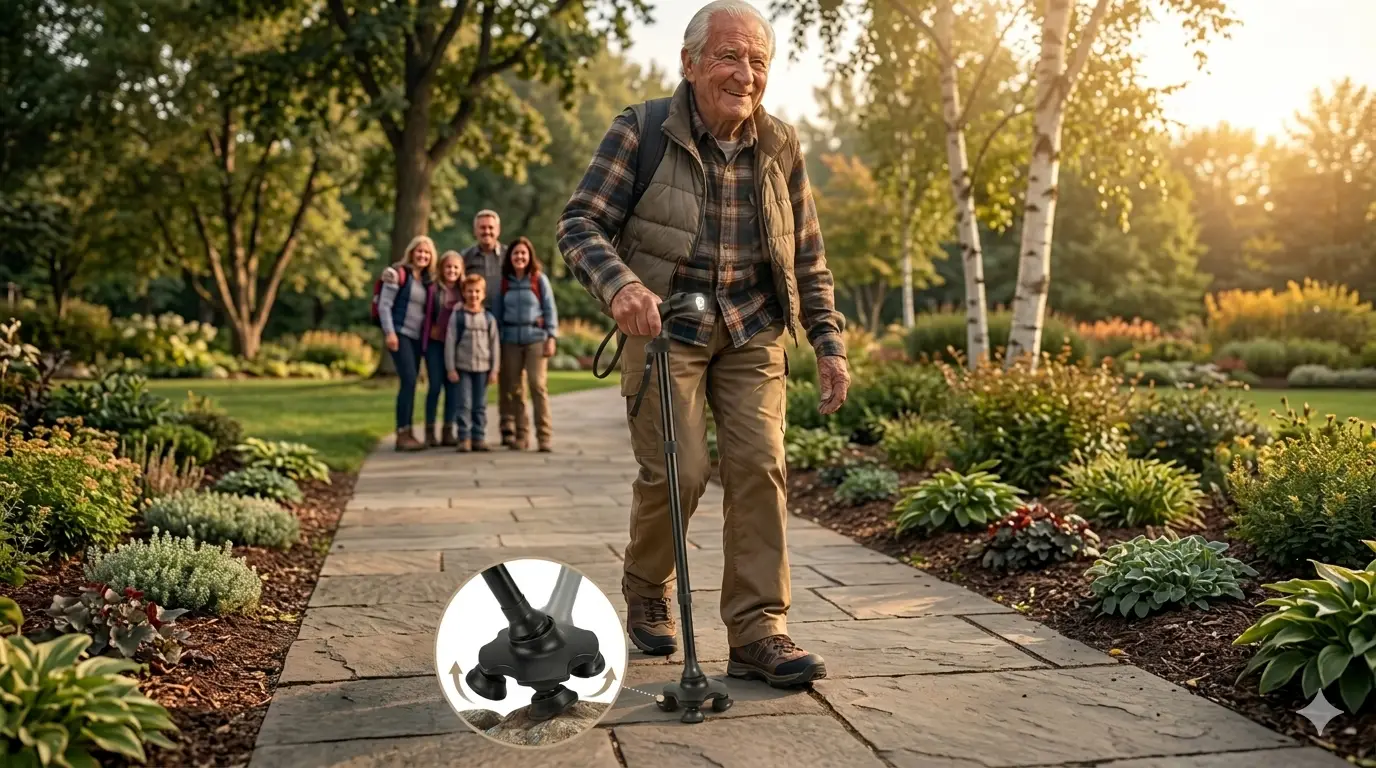
Understanding Dignity in the Context of Aging
Dignity is a multifaceted concept that transcends age, embodying the intrinsic worth and respect every individual deserves throughout their life. In the context of aging, dignity is particularly significant as it relates not only to self-respect and personal identity but also to the societal recognition of elder individuals’ rights and needs. For seniors, maintaining dignity is not merely an option; it is a fundamental human right that must be preserved and upheld.
The aging process often brings about various challenges, including physical decline, cognitive changes, and societal marginalization. These elements can threaten one’s sense of dignity, making it crucial for caregivers, family members, and society at large to prioritize and protect this right. Elders should never be viewed as burdens, but rather as individuals with valuable experiences and insights that contribute to their community. Respecting their autonomy and choices is essential for fostering a dignified existence.
Consider the words of former U.S. President Jimmy Carter, who stated, “I believe that all humans are created equal and have a right to dignity, regardless of their age or ability.” This sentiment underscores the significance of dignity as a universal principle that must be respected at all stages of life. Retaining dignity for seniors means advocating for their rights and addressing their unique challenges. Real-life examples illustrate this, such as community initiatives aimed at enhancing accessibility and creating inclusive spaces that empower older adults.
Furthermore, maintaining dignity is intimately connected to the presence of supportive relationships, which foster a sense of belonging and value. It impacts their mental well-being, self-esteem, and the ability to continue contributing to society in meaningful ways. Thus, it is imperative to recognize that dignity does not diminish with age; instead, it evolves and adapts, requiring our collective vigilance to nurture and respect it at all times.
The Importance of Respect and Kindness in Caregiving
Respect and kindness are fundamental components in the process of caregiving, particularly when supporting older adults. The emotional and mental well-being of seniors can be significantly improved through simple actions that manifest respect and kindness. Caregiving is not solely about physical care; it also encompasses emotional support that nurtures an individual’s dignity and sense of self-worth.
Listening actively to seniors communicates that their thoughts and feelings are valid and valued. Caregivers can practice this by giving their full attention during conversations, maintaining eye contact, and showing genuine interest in the elder’s experiences and opinions. This simple act fosters an environment where older adults feel heard and respected, which can greatly contribute to their overall dignity.
Additionally, speaking kindly and using a respectful tone can have a profound impact on an elderly person’s day-to-day life. Words carry considerable weight; they can uplift or diminish. Caregivers should be mindful of their language, even in routine conversations, as this can encourage elderly individuals to engage more fully and contribute to a positive self-image. Simple phrases like “thank you” or “I appreciate you” can reinforce the concept that they are valued members of the family or community.
Patience is also a vital component of respectful caregiving. Older adults may require more time to complete tasks or communicate their needs, and impatience can inadvertently undermine their dignity. By allowing seniors the necessary time to express themselves or to perform activities at their own pace, caregivers demonstrate understanding and respect for their abilities, further enhancing their sense of autonomy and self-worth.
Ultimately, the integration of respect and kindness into everyday interactions with older adults not only enriches their quality of life but also reinforces their dignity at every stage of life. Through thoughtful actions and genuine compassion, caregivers can positively influence the emotional landscape of the seniors in their care.
Promoting Independence and Privacy for Seniors
Maintaining independence and privacy is vital for preserving dignity among older adults. Seniors often face a range of challenges, including physical and cognitive impairments, which may inadvertently encroach upon their autonomy. However, fostering their ability to make choices can significantly enhance their quality of life, enabling them to feel valued and respected.
Independence involves allowing seniors to engage in daily activities and make decisions that affect their lives. Family members and caregivers play a crucial role in facilitating this. One effective method is to encourage participation in selecting their daily routines, such as meal preparation or deciding on leisure activities. This involvement strengthens their sense of control and self-worth, which are essential elements of dignity.
It is also essential to respect seniors’ privacy. Maintaining autonomy can often be achieved by creating an environment where they feel secure and comfortable in their surroundings. Simple measures, such as providing private spaces for personal activities and communication, can greatly contribute to this sense of privacy. Moreover, caregivers should be mindful of the importance of confidentiality regarding medical and personal information, which further affirms an older adult’s dignity.
Nevertheless, balancing safety and independence is crucial. While it is essential to empower seniors, caregivers must also assess potential risks in their choices. Implementing safety measures, such as mobility aids or home modifications, can provide a secure environment that still allows for autonomy. Caregivers may also engage in regular conversations with the senior, assessing their comfort levels with their independence while making necessary adjustments to support their well-being.
Ultimately, promoting independence and privacy for seniors fosters dignity and strengthens their overall mental and emotional well-being. By empowering older adults to make their own choices and respecting their need for privacy, caregivers honor their individuality while ensuring their safety and health needs are met.
Creating an Inclusive Environment for Older Adults
As individuals age, the need for a supportive and inclusive environment becomes increasingly crucial in fostering their dignity. An inclusive atmosphere is characterized by the active engagement of older adults in various aspects of life, including social activities, decision-making processes, and family interactions. This inclusion not only empowers seniors but also enhances their overall sense of self-worth and belonging.
One way to promote inclusivity is by encouraging participation in community events and social gatherings. These interactions allow seniors to maintain their social networks, share experiences, and engage in meaningful conversations with peers and younger generations. Caregivers and family members can facilitate this by organizing events that cater to the interests and preferences of older adults, ensuring they feel welcomed and valued within the community.
In addition to social involvement, it is vital to involve older individuals in decision-making processes, particularly concerning their own lives and care. Allowing seniors to express their opinions and preferences fosters autonomy and respect. For example, during family discussions or care planning meetings, caregivers should actively solicit input from older adults and take their wishes into account. This practice not only honors their choices but also reinforces their dignity.
Moreover, creating inviting and supportive spaces at home is essential for older adults. Caregivers should ensure that their living environments are conducive to both comfort and accessibility. This could include arranging furniture to facilitate movement, providing assistive devices where necessary, and incorporating elements that resonate with their personal interests or nostalgic memories. Such thoughtful considerations help older adults feel appreciated, as their preferences are acknowledged, demonstrating that their dignity matters.
In conclusion, fostering an inclusive environment for older adults involves actively engaging them in social activities, respecting their preferences in decision-making, and creating supportive spaces that honor their choices. This holistic approach can significantly enhance their sense of belonging and dignity, making a positive impact in their lives.
A fall can affect more than physical health—it can also leave a senior feeling anxious, uncertain, and afraid of falling again. With patience, encouragement, and the right support, it’s possible to rebuild confidence and regain independence one step at a time. If you haven’t read it yet, our article “How to Help a Senior Recover Confidence After a Fall” shares practical tips to help older adults recover emotionally and physically while safely returning to their daily routines.