
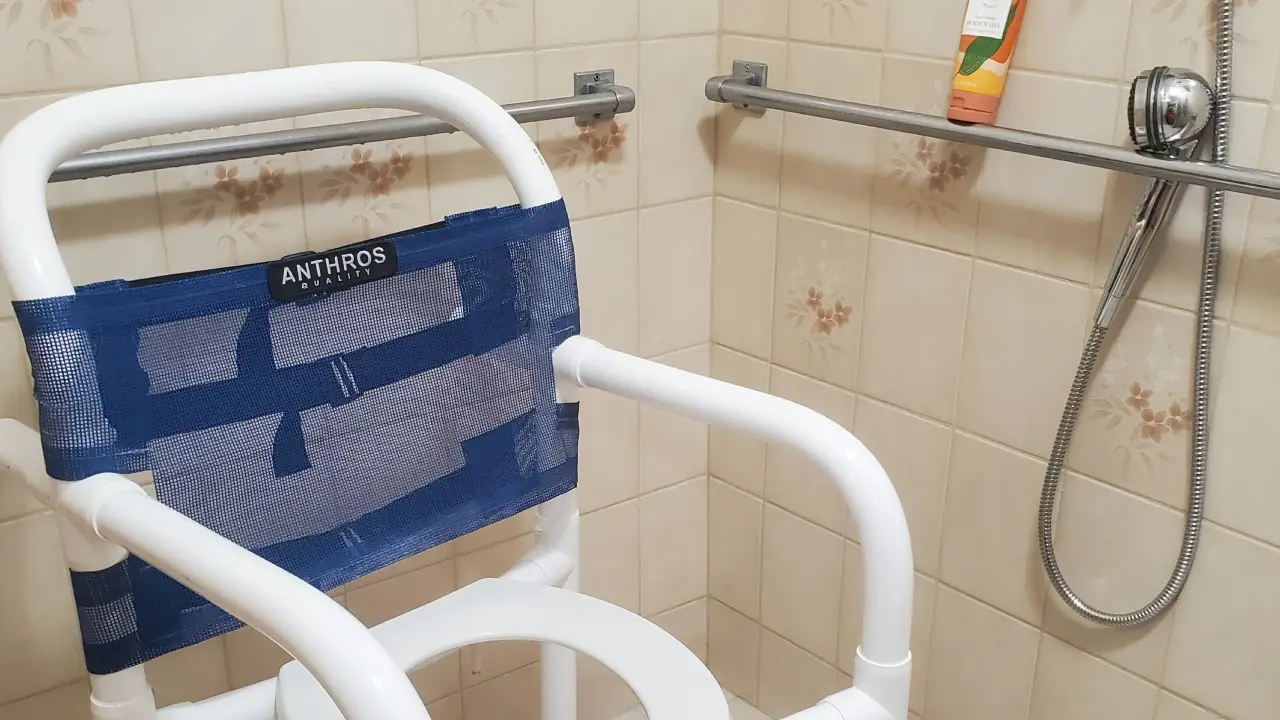
The Importance of Bathroom Safety for Seniors
Bathroom safety is a crucial consideration for seniors and individuals with limited mobility. Statistically, falls in the bathroom account for a significant number of injuries among older adults, with the Centers for Disease Control and Prevention (CDC) noting that 80% of falls in homes occur in this area. This alarming figure underscores the urgent need for implementing safety measures tailored to prevent accidents within the bathroom environment.
Older adults are particularly vulnerable due to several factors, including reduced strength, balance issues, and various medical conditions that may compromise their mobility. According to the National Institute on Aging, approximately one in four seniors falls each year, and these incidents can lead to serious injuries such as fractures and head trauma. Furthermore, the psychological impact of these falls can lead to increased fear of falling, which may subsequently contribute to decreased physical activity and social interaction, further diminishing one’s quality of life.
Creating a safe bathroom environment not only helps in mitigating risks but also promotes the independence of older adults. By incorporating features such as grab bars, non-slip mats, and walk-in tubs, caregivers and family members can significantly reduce the likelihood of accidents. Empowering seniors to use the bathroom safely encourages them to maintain their autonomy while minimizing the risk of falls. Ensuring bathroom safety is not merely about preventing physical injuries; it relates to fostering an environment where older adults can feel secure and confident in carrying out daily activities without undue fear of accidents.
The importance of bathroom safety for seniors cannot be understated, as it directly impacts their overall well-being and independence. A proactive approach to bathroom safety can lead to a healthier and more positive living experience for this demographic, ensuring that they can age in place with dignity and security.
1. Install Grab Bars
One of the most effective measures to enhance safety in the bathroom is the installation of grab bars. These sturdy supports can be strategically positioned near the toilet and inside the shower or bathtub to provide critical stability and assistance, significantly reducing the risk of slips and falls. Grab bars are particularly beneficial for individuals with limited mobility, elderly users, or anyone recovering from an injury.
When considering the installation of grab bars, it is important to select the right materials to ensure both durability and safety. Stainless steel is highly recommended due to its strength, resistance to rust, and ease of cleaning. Additionally, opting for grab bars with a textured surface can provide better grip, further enhancing user safety.
Placement of grab bars should be carefully thought out. Ideally, they should be installed at a height that is comfortable for the intended users. For example, a grab bar near the toilet should be positioned at a height between 33 to 36 inches from the floor. For shower or tub installations, grab bars should be placed horizontally near the entrance and vertically on the wall inside the shower area. This positioning will allow users to maintain balance as they enter and exit the shower, thus preventing accidental falls.
Installation requires ensuring that grab bars are securely anchored into wall studs or using appropriate wall anchors if studs are not available. This is crucial, as improperly secured grab bars can yield to weight and fail to provide the necessary support when needed most. To summarize, the integration of grab bars in bathroom design can significantly improve safety, offering users the confidence and support required to navigate potentially hazardous environments.
2. Use Non-Slip Mats
Enhancing safety in the bathroom is particularly crucial for seniors, as they are more vulnerable to falls, which can lead to severe injuries. One practical solution to mitigate this risk is the installation of non-slip mats. These mats are specifically designed to provide traction on wet and slippery surfaces, significantly reducing the likelihood of slips and falls. By anchoring seniors’ footing, non-slip mats promote greater stability and confidence when navigating potentially hazardous areas.
Non-slip mats come in various types, including vinyl, rubber, and fabric options. Vinyl mats, for example, are not only durable but also easy to clean, making them suitable for high-moisture environments such as bathrooms. Rubber mats excel at gripping smooth surfaces, providing reliable traction even when wet. Fabric mats, often used for decorative purposes, should be chosen with caution; they should have a solid, non-slip backing to ensure optimal safety.
When considering the placement of non-slip mats, it is advisable to position them strategically in areas where water is most likely to accumulate, such as outside the shower, tub, and sink. It is also wise to utilize larger mats that cover wider areas to provide continuous support. Regular maintenance is key to ensuring the efficacy of these mats. This includes routine cleaning to prevent mold and mildew buildup, which can compromise their non-slip features. Additionally, it is important to replace any mat that shows signs of wear or damage, as a degraded mat can pose a safety risk.
3. Improving Lighting for Enhanced Bathroom Safety
Proper lighting is essential for ensuring bathroom safety, particularly for seniors who may be more susceptible to slips, trips, and falls. Many common lighting problems can pose significant hazards in the bathroom. Dim or flickering lights can obscure vision, making it difficult to navigate the space safely. As such, improving lighting within the bathroom can effectively reduce these risks and contribute to a safer environment.
One primary suggestion is to install brighter, energy-efficient LED fixtures that provide high-quality illumination. These types of lights not only last longer but also consume less energy, making them a wise investment. Additionally, multiple light sources can help to eliminate shadows that might make it hard to see obstructions. Consider placing lights overhead, as well as near the vanity and in corners, to enhance overall visibility.
Night lights are also an excellent option for those who may need to use the bathroom during the night. Installing night lights near the entryway or along the floor can guide individuals safely to the bathroom without causing disorientation or spills. Waterproof night lights are a practical choice since they can withstand moisture and humidity normally present in bathrooms.
Furthermore, ensuring that all areas of the bathroom are well-illuminated is crucial. Check and replace any flickering or burnt-out bulbs promptly to maintain consistent lighting quality. Light switches should be easily accessible and ideally located near the entry point of the bathroom to minimize accidents when transitioning from darkness to light. Another effective tip is to utilize motion-sensor lights that automatically turn on when someone enters the room, providing immediate illumination.
4. Add a Shower Chair
Incorporating a shower chair into a bathroom can significantly enhance safety and comfort, particularly for seniors or individuals with mobility challenges. These chairs provide a stable seat that allows users to shower without the risk of slipping or falling, making the bathing experience more enjoyable and less stressful.
When selecting a shower chair, several factors should be considered to ensure it meets safety and comfort needs. Firstly, look for a chair with a non-slip surface and rubberized feet to provide maximum stability. Adjustable height options can also be beneficial to customize the chair’s level according to the user’s preferences.
Additionally, it is crucial to choose a chair that is made of water-resistant materials, such as plastic or aluminum, to prevent deterioration over time. The presence of armrests can enhance stability when users are getting on or off the chair, further reducing the risk of falls. It is advisable to select a shower chair that has a sturdy construction and can support the weight of the user comfortably.
Another essential aspect is the positioning of the shower chair within the bathing area. The chair should be placed in an area of the shower where it does not impede movement and is positioned close to the water inlet for maximum comfort. Ensuring that the surrounding area is free from any hazards such as soap bottles or towels can also contribute to a safe bathing experience. To aid in accessibility, consider installing grab bars near the shower entry and beside the chair to further assist seniors in transitioning safely.
Implementing these suggestions when adding a shower chair can make a significant difference in promoting independence and enhancing the overall safety of bathing for seniors and individuals with limited mobility.
5. Raise Toilet Seat Height
One of the most effective ways to enhance bathroom safety is by raising the height of the toilet seat. This modification can significantly assist seniors and individuals with mobility challenges, as it makes the process of sitting down and standing up much easier. Traditional toilet seats can be quite low, creating potential difficulties for those with limited strength or balance. By elevating the toilet seat, we can help reduce the risk of falls and enhance overall comfort.
There are several methods to achieve a raised toilet seat height. One option is to invest in a raised toilet seat, which can be easily installed on top of the existing seat. These seats are designed with a higher elevation and often come with added safety features such as armrests to provide additional support. They are available in various sizes and designs, catering to a wide range of preferences and bathroom aesthetics. This simple adjustment not only aids in accessibility but also encourages independence for individuals who may otherwise struggle with standard toilet height.
Another effective approach is the installation of a toilet frame, which surrounds the toilet and provides sturdy handrails for users. This frame can be particularly beneficial for those with severe mobility issues or those recovering from surgery. With handrails in place, users can secure themselves while sitting or rising, thereby reducing the likelihood of slips or falls. Additionally, many toilet frames are adjustable, allowing for customization to individual height needs.
In conclusion, raising the toilet seat height is a practical and impactful way to improve bathroom safety for seniors and those with mobility concerns. Utilizing raised toilet seats or toilet frames can promote greater stability and independence, ultimately enhancing the user experience in the bathroom.
6. Keep Essentials Within Reach
Ensuring the safety of individuals in the bathroom is paramount, particularly for seniors and those with mobility challenges. One effective strategy is to keep frequently used toiletries and essential items within easy reach. This proactive approach minimizes the risk of falls that may occur when individuals stretch, bend, or reach for items stored in high or hard-to-access locations.
First, it is beneficial to assess the layout of your bathroom and determine the locations of commonly used items such as soap, shampoo, conditioner, and towels. These items should be strategically placed on lower shelves or in easily accessible containers to prevent the necessity of climbing or bending over. Consider using non-slip mats under these containers to further enhance safety.
Moreover, it is advisable to utilize bathroom organizers, such as caddies or bins, which can be mounted on walls or placed on countertops, keeping the essentials in an organized and user-friendly manner. Consider also the use of baskets or trays that are easy to pull out and can be positioned on countertops or side tables. Additionally, a shower caddy that hangs from the showerhead can effectively keep shower essentials within arm’s reach without cluttering the bathing area.
To enhance accessibility further, labeling items can help individuals quickly identify what they need without confusion. Another important tip is to keep frequently used items in the same spot consistently, fostering a sense of familiarity and reducing the time spent searching for them.
By implementing these organizational strategies, the bathroom can become a safer environment, minimizing the risk of accidents while promoting independence and confidence in daily personal care routines.
7. Reducing Clutter for a Safer Bathroom
Clutter in the bathroom can pose significant safety risks, leading to potential accidents such as slips and falls. A streamlined and organized bathroom environment is not only more visually appealing but also enhances safety by minimizing tripping hazards. Therefore, it is important to address clutter effectively.
One of the first steps in reducing clutter is to regularly assess and declutter the bathroom space. Items such as unused toiletries, expired medications, and empty containers can accumulate quickly. Taking stock of these items and removing those that are no longer needed can create more open space and reduce the chances of accidents occurring. It is advisable to dispose of expired products safely and keep only those that are essential.
Additionally, consider utilizing storage solutions that keep commonly used items within reach while minimizing floor space usage. Wall-mounted shelves, over-the-toilet storage units, and under-sink cabinets can help maximize vertical space and keep the floor area clear. This organization reduces clutter and ensures that essential items are easily accessible without unnecessarily spreading into walkable areas.
Furthermore, establishing designated places for items can enhance long-term tidiness. When everyone in the household knows where to store and find bathroom supplies, it results in fewer items left strewn about the surfaces. Implementing a routine of tidying up after use can also help maintain a clutter-free environment.
In essence, maintaining a tidy bathroom not only contributes to overall safety but also fosters a more peaceful and welcoming atmosphere. By reducing clutter, we create a safer surrounding while promoting an enjoyable bathing experience. A few simple strategies can lead to a significant improvement in bathroom safety and ease of use.
8. Use Lever-Style Handles
Bathroom safety can significantly benefit from the installation of lever-style faucets and door handles as opposed to traditional knobs. These user-friendly alternatives offer several advantages, particularly for seniors who may struggle with limited grip strength and dexterity. Lever handles require less force to operate, enabling individuals to turn taps and open doors with ease, thereby reducing the risk of slips and falls.
Lever-style handles are designed to pivot, allowing users to use their forearm or even their elbow to turn the handle, thereby minimizing the need for a strong grip. This design consideration contributes to improved accessibility, particularly for individuals suffering from arthritis or other conditions that impair hand function. By exchanging knobs for levers, the bathroom becomes a safer space, promoting independence and confidence among its users.
Additionally, the installation of lever-style handles can be aesthetically pleasing, providing a modern touch that complements various bathroom decors. Available in numerous finishes and styles, they offer versatility in design while enhancing functionality. Beyond visual appeal, these fixtures can prevent accidents that might occur due to the awkward twisting motion required by traditional knobs.
Another aspect worth mentioning is maintenance; lever handles are generally easier to clean and maintain than their knob counterparts. This is particularly important in bathroom settings, where hygiene is paramount. Their simpler design allows for quicker access to the cleaning surfaces, which can further contribute to a safer environment.
In conclusion, replacing traditional knobs with lever-style handles in the bathroom not only ensures a safer experience for users with limited hand strength but also enhances the overall usability and appeal of the space. Adopting this simple change can lead to significant improvements in bathroom safety and comfort for all household members.
9. Install a Handheld Showerhead
Enhancing bathroom safety can be achieved through various modifications, one such improvement is the installation of a handheld showerhead. This feature is particularly advantageous for seniors, as it provides them with greater control while bathing. With a handheld showerhead, users can easily adjust the positioning of the water flow, ensuring they can reach all areas of their body without the need for awkward movements that may lead to slips or falls.
When considering a handheld showerhead, it is essential to choose a model that is easy to operate. Features such as a long hose and a comfortable grip are beneficial, allowing the user to maneuver the showerhead with minimal effort. Additionally, selecting a unit with multiple spray settings can enhance the bathing experience, permitting users to customize the water pressure to their preference. It is advisable to opt for units with anti-scald technology, which ensures that the water temperature remains constant, preventing burns from unexpected heat changes.
Installation of a handheld showerhead is relatively straightforward and may often be accomplished without the need for professional help. Most models are designed to fit standard shower fixtures, and the process typically involves removing the existing showerhead and replacing it with the handheld version. Ensuring all connections are secure will contribute to preventing leaks and maintaining proper water flow. For those who may still have difficulty reaching certain areas, a shower stool or non-slip mats can be integrated to further enhance safety while bathing.
Utilizing a handheld showerhead can significantly enhance a senior’s independence and comfort in their daily hygiene routine. By implementing this simple yet effective modification, caregivers and family members can promote confidence, safety, and ease of use during bath time, aiding in a more enjoyable and secure bathing experience.
10. Schedule Regular Safety Checks
Conducting regular safety checks in the bathroom is essential for maintaining a secure environment, especially for seniors who may be more vulnerable to accidents. These checks should be part of a broader safety plan that involves both caregivers and family members actively monitoring the space for potential hazards. A well-structured safety checklist can make it easier to identify and rectify issues before they lead to unfortunate incidents.
Begin by evaluating the layout of the bathroom to ensure it is user-friendly. Look for any clutter, which could impede movement or cause a fall. Ensure that bath mats are non-slip and placed securely to avoid tripping hazards. Additionally, it is vital to check that grab bars are installed properly and can withstand the weight of an individual. They are critical in providing stability when entering or exiting the shower or tub.
Regularly inspect the water temperature to prevent scalding. For seniors, skin sensitivity may be heightened, making hot water a potential danger. Appliances like heaters or towel warmers should also undergo routine checks to confirm they are functioning correctly and do not pose fire risks. If necessary, consider installing temperature-limiting devices on faucets. This simple upgrade can significantly reduce the risk of burns.
Lastly, address any visible signs of wear or damage in the bathroom, such as loose tiles or leaky faucets. These issues can impair safety and lead to more considerable problems if not dealt with promptly. The objective should be to create a consistent routine for safety evaluations, thereby fostering a culture of vigilance around bathroom safety. By adopting this proactive approach, caregivers can make sure that the bathroom remains a safe and welcoming place for seniors.
Conclusion: Promoting Independence and Confidence at Home
As we have explored throughout this blog post, enhancing safety in the bathroom is crucial not only for preventing accidents but also for promoting independence among seniors. The bathroom can often be a challenging area, but by implementing simple yet effective strategies, we can create a safer environment that empowers elderly individuals to maintain their daily routines with confidence. Ensuring adequate lighting, installing grab bars, and using non-slip mats are just a few of the measures that can significantly reduce the risk of falls.
Moreover, engaging seniors in the conversation around bathroom safety can be beneficial. By encouraging them to voice their concerns and preferences, caregivers and family members can tailor solutions that cater directly to individual needs. For instance, lightweight shower chairs or adjustable handheld showerheads can provide much-needed support and ease of use. This involvement not only enhances safety but also fosters a sense of autonomy, allowing seniors to navigate their bathroom with greater assurance.
It is essential to recognize that small adjustments in the home can lead to significant improvements in the quality of life for seniors. Encouraging regular assessments of bathroom safety features and maintaining open communication with loved ones will further solidify a commitment to safety. As we conclude, we urge all readers to take these actionable steps towards enhancing bathroom safety. By implementing these recommendations, we can work together to create a more secure and empowering environment for our senior family members and friends, ultimately instilling a greater sense of confidence in their daily lives.
A person’s worth is not measured by age, physical ability, or how much they can do in a day. Growing older brings valuable life experience, wisdom, resilience, and perspectives that continue to enrich families and communities. If you haven’t read it yet, our article “Growing Older Does Not Mean Losing Your Worth” explores how aging with dignity, purpose, and self-respect can help seniors maintain confidence and recognize the lasting value they bring to the world.